
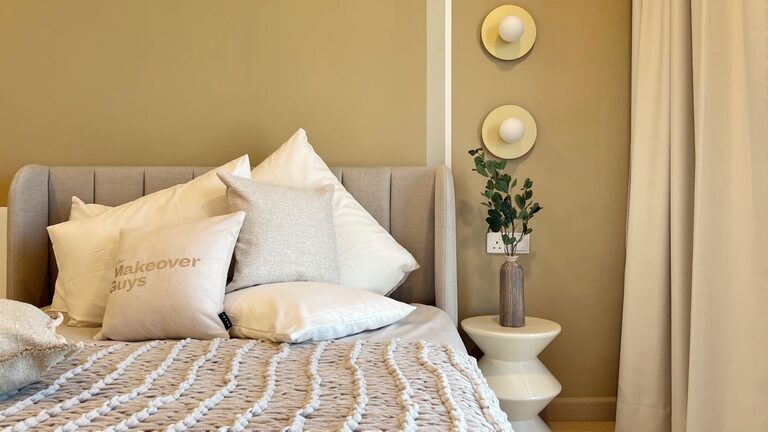
A bedroom refresh does not have to involve new furniture or a complete makeover. Small, thoughtful changes can make the space feel cleaner, more comfortable, and better suited to your style. With a little planning, you can update your bedroom on a budget while using many of the items you already own.
The key is to focus on changes that have the biggest visual impact: color, lighting, textiles, layout, and organization. Use the ideas below to create a welcoming room without overspending.
Start With a Simple Plan
Before buying anything, take a close look at your bedroom. Notice what feels unfinished, crowded, worn, or out of place. A short planning session can help you avoid impulse purchases and make better use of your budget.
Ask yourself:
- What do I like about the room already?
- What bothers me most about the space?
- Does the room need more color, storage, light, or comfort?
- Which items can be cleaned, repaired, moved, or reused?
Choose one or two main goals for the refresh. For example, you might want to create a calmer color scheme and reduce clutter. Keeping your goals focused will make the project more manageable.
Declutter and Rearrange First
One of the least expensive ways to refresh a room is to remove items you no longer need. Clear off nightstands, sort through clothing, and take decorations out of the room temporarily. Seeing the space with fewer items can make it feel larger and more peaceful.
Use three groups as you sort:
- Keep: Items you use or genuinely enjoy
- Move: Items that belong in another room
- Donate or discard: Items you no longer need or use
After decluttering, try rearranging the furniture. Move the bed to a different wall, place a nightstand on the opposite side, or create a clearer walkway. Even a small change in layout can give the room a new appearance.
Keep comfort and practicality in mind. Make sure doors and drawers open easily, and leave enough space to move around the bed.
Refresh the Bedding
The bed is usually the largest feature in a bedroom, so updating it can quickly change the entire space. You do not need a complete new bedding set. Start by washing everything thoroughly and making the bed neatly.
If the bedding is still in good condition, add one affordable layer, such as:
- A textured throw blanket
- One or two decorative pillow covers
- A lightweight quilt
- A simple bed runner
Choose colors that work with what you already have. Neutral bedding can be refreshed with soft blue, green, tan, or warm yellow accents. If your sheets are plain, patterned pillow covers can add interest without the cost of replacing the entire set.
Look for clearance items, seasonal sales, and washable covers. Pillow covers are especially useful because they take up little storage space and can be changed throughout the year.
Use Paint Strategically
Paint can create a major change, but painting the entire room is not your only option. If your budget is limited, consider painting one wall, the area behind the bed, or even a small section around a desk or reading corner.
A single accent wall can add depth and make the bed feel more intentional. Soft, muted colors often work well in bedrooms, while a deeper shade can create a cozy focal point.
You can also use leftover paint for smaller projects:
- Refresh a small shelf or nightstand
- Paint a picture frame
- Update a wooden headboard
- Add color to the inside of a bookcase
Test a small area before committing to a color. Look at it during both daylight and evening hours to see how it works with the room’s lighting.
Improve the Lighting
Good lighting can make a bedroom feel warmer and more inviting. Start by replacing harsh, bright bulbs with warm white bulbs. This small change can make the room feel more comfortable without requiring new fixtures.
Try using several sources of light instead of relying on one overhead fixture. A bedroom may benefit from:
- A bedside lamp for reading
- A small floor lamp in a corner
- String lights around a shelf or headboard
- A battery-powered light inside a closet
Look for affordable lamps at thrift stores, resale shops, and discount retailers. A lamp with a plain shade can often be updated with a new shade or a coat of paint on the base.
Keep cords tidy and place lights where they are easy to reach. A well-positioned bedside lamp can be both practical and decorative.
Create Affordable Wall Decor
Bare walls can make a bedroom feel unfinished, but wall decor does not have to be expensive. Create a simple gallery using postcards, calendars, fabric samples, or pages from an old book. Place the items in matching frames for a more polished appearance.
Other low-cost wall ideas include:
- Hanging a scarf or fabric panel as a soft backdrop
- Displaying a collection of small mirrors
- Creating a photo grid with clips and string
- Framing your own drawings or simple prints
- Using removable decals for a temporary update
Instead of decorating every wall, choose one main area to highlight. Above the bed, across from the doorway, or beside a desk are often good locations.
Use removable hooks or picture-hanging strips when appropriate, especially if you rent your home or want the flexibility to change the arrangement later.
Add Texture With Small Accessories
Texture makes a bedroom feel more layered and comfortable. You can add it through inexpensive accessories rather than buying large pieces of furniture.
Consider adding a woven basket, a small rug, a fabric lampshade, or a soft throw. Curtains can also make a noticeable difference. If new curtains are outside your budget, wash and steam your existing ones or try using simple fabric panels.
Plants can add color and life to the room. Choose easy-care varieties if you are new to plant care, or use a small artificial plant for a similar decorative effect. Place plants where they will not block walkways or crowd your bedside area.
A mirror can make a small bedroom feel brighter and more open. Check thrift stores for inexpensive frames, or update an existing frame with paint.
Give Old Furniture a New Purpose
Before buying a new nightstand, dresser, or bench, consider whether an existing item can be improved. Clean wooden furniture, tighten loose hardware, and replace worn drawer pulls. New handles can give a basic piece a completely different look.
You can also repurpose items you already own:
- Use a small stool as a bedside table
- Turn a sturdy crate into open storage
- Place a tray on a dresser to organize daily items
- Use a basket for blankets or extra pillows
Keep the top of each surface fairly clear. A few useful or decorative items usually look better than a crowded collection.
Shop Carefully and Set a Limit
Set a specific spending limit before you shop. Divide it among your priorities, such as paint, bedding, lighting, or storage. This helps you focus on the changes that matter most.
Compare prices across discount stores, thrift shops, online resale listings, and local clearance sections. When buying secondhand, check items carefully for damage, stains, missing parts, or strong odors.
Avoid buying something simply because it is inexpensive. Ask whether it serves a purpose, fits your style, and works with items you already own. A smaller number of useful pieces will create a more cohesive room than a collection of random decorations.
Finish With a Simple Reset
Once your updates are complete, give the room a final clean. Dust surfaces, vacuum under the bed, wash the bedding, and wipe down mirrors and light fixtures. These finishing steps help every update stand out.
Arrange the room so that the bed remains the main focal point, surfaces stay easy to use, and walkways remain clear. Add only the accessories that make the space feel comfortable and personal.
A budget bedroom refresh is about making intentional choices, not buying more. By decluttering, rearranging, improving lighting, refreshing textiles, and adding a few personal touches, you can create a room that feels new without a major expense.