
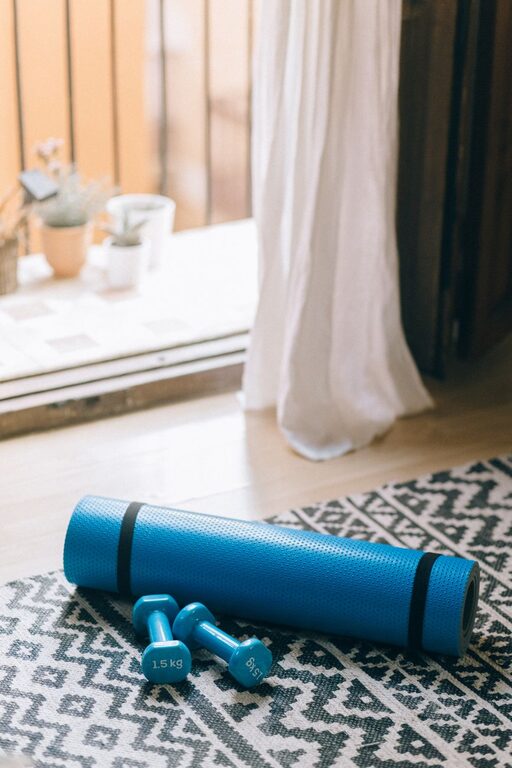
A dedicated workout corner can make exercising at home more convenient and consistent. You do not need a large room, expensive machines, or a complete home gym. With a small amount of planning, you can create a comfortable space that supports stretching, strength exercises, cardio, and other activities.
The key is to build a setup that fits your available space, budget, and routine. Start with the essentials, keep the area organized, and add equipment gradually as your interests develop.
Choose the Right Location
The best workout corner is a place you can reach easily and use regularly. It might be part of a bedroom, living room, garage, basement, or home office. Even a small area can work if it gives you enough room to move safely.
Look for a location with:
– A clear, level floor
– Good lighting
– Fresh airflow
– Enough space to extend your arms and legs
– Easy access to your equipment
– A surface that is simple to clean
If possible, choose a spot that is visible and convenient rather than one that is hidden away. A workout area that requires several minutes of setup may be easier to ignore. On the other hand, a mat and a few neatly stored items can serve as a useful reminder to stay active.
Before arranging the space, measure the available area. Mark the boundaries with painter’s tape or use a mat as a guide. This helps you understand how much room you have for standing exercises, floor work, and equipment.
Start With a Comfortable Floor
A suitable floor is one of the most important parts of a home workout corner. It can make the space more comfortable and help protect your flooring from everyday wear.
A basic exercise mat is a good starting point. Choose one that is long enough for floor exercises and thick enough to provide comfortable support. A textured or nonslip surface can help keep the mat in place during movement.
Depending on your activities, you may also consider:
– Interlocking foam tiles
– A rubber floor mat
– A low-pile carpet
– A protective platform for weights
Avoid placing heavy equipment directly on delicate flooring. If you exercise on hardwood or tile, use a protective layer beneath weights or other equipment. Make sure the mat lies flat and does not create a tripping edge.
Select Versatile Equipment
You can build an effective workout corner with a small number of multipurpose items. Choose equipment that supports several types of exercises instead of buying tools for only one movement.
Useful starter items include:
Resistance Bands
Resistance bands are lightweight, affordable, and easy to store. They can support a variety of upper-body, lower-body, and core exercises. Different band strengths allow you to adjust the challenge over time.
Dumbbells
A pair of dumbbells can add resistance to many simple exercises. If storage space is limited, adjustable dumbbells may be a practical option. Start with a weight that allows controlled movement and good form.
Exercise Mat
A mat provides a defined workout surface for stretching, floor exercises, and bodyweight movements. It also makes the area feel more complete and inviting.
Jump Rope
A jump rope can offer a simple cardio option if your ceiling height, flooring, and surroundings allow it. Check that you have enough open space above and around you before using one.
Small Stability or Mobility Tools
Items such as a foam roller, yoga blocks, or a small exercise ball can support warmups, stretching, and balance-focused activities. Add these only if they match the types of workouts you enjoy.
You do not need to buy everything at once. Begin with items you are likely to use several times a week. This helps prevent clutter and keeps your budget under control.
Plan a Simple Storage System
A workout corner is easier to use when every item has a clear home. Good storage also keeps walkways open and reduces the chance of tripping over loose equipment.
Consider these storage options:
– A basket for bands, ropes, and small accessories
– A wall hook for resistance bands or jump ropes
– A compact rack for dumbbells
– A shelf for towels and water bottles
– A vertical stand for exercise mats
– A storage bench with space underneath
If you use a shelf or wall-mounted storage, check that it is securely attached and rated for the weight of your equipment. Keep heavier items low and smaller items within easy reach.
Avoid stacking equipment where it can fall. Store items in a way that makes them easy to take out and put away. A setup that takes only a minute to reset is more likely to stay tidy.
Create a Safe Layout
Safety should guide the arrangement of your workout corner. Leave enough open space around the mat so that your hands, feet, or equipment do not hit furniture or walls during movement.
Before exercising, check for:
– Slippery surfaces
– Loose rugs
– Low furniture edges
– Cords across the floor
– Unstable shelves
– Objects hanging overhead
– Limited ceiling height
Keep water, a towel, and a phone nearby without placing them where they can be knocked over. If you use weights, put them down carefully and avoid dropping them on the floor.
Good lighting also matters. A lamp, ceiling light, or nearby window can make it easier to see your surroundings and maintain a clear workout area. If mirrors are used, position them securely and keep them away from places where equipment may strike them.
Make the Space Inviting
A workout corner does not need to look like a commercial gym. It should simply feel pleasant and easy to use. Small design choices can make a difference.
You might add:
– A simple color scheme
– A small plant placed away from the workout area
– A speaker or headphones for audio
– A wall calendar or workout planner
– A basket for clean towels
– A framed quote or personal reminder
Keep decorations limited so they do not become distractions or create clutter. The goal is to make the space feel organized and welcoming while leaving most of the area open for movement.
Build a Flexible Routine
Your workout corner should support a routine that fits your lifestyle. A simple weekly plan may include a mix of movement types, such as strength exercises, cardio, stretching, and rest days.
For example, you could organize your week like this:
– Two days of strength-focused exercises
– Two days of light cardio or active movement
– One or two days of stretching or mobility work
– One or more rest days
The exact schedule can vary. What matters most is choosing activities you can perform comfortably and consistently. Write down the exercises you enjoy and keep the list visible in the workout area.
You can also prepare a short routine for busy days. A 10- or 15-minute session may be easier to complete than a longer workout, especially when your schedule is full.
Maintain and Update the Corner
Set aside a few minutes each week to clean the mat, wipe equipment, and return items to their storage locations. Regular maintenance keeps the space pleasant and helps you notice worn or damaged equipment.
Every few months, review what you actually use. Remove items that take up space without supporting your routine. If you have developed new interests, add equipment slowly and make sure it serves a clear purpose.
A simple workout corner can grow with you. Start with a clear floor, a comfortable mat, and a few versatile tools. By keeping the setup safe, organized, and easy to access, you can create a home exercise space that supports regular movement without taking over your home.