
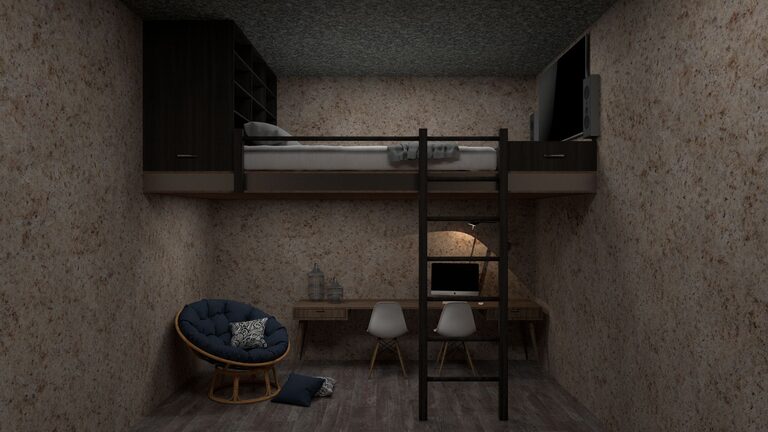
A dark room can feel smaller, colder, and less inviting than the rest of your home. Fortunately, you do not need a major renovation to make it feel brighter. A few thoughtful updates can reflect more light, open up the space, and create a warmer atmosphere.
From choosing lighter colors to rearranging furniture, these simple ideas can help transform a dim room into a comfortable and cheerful space.
Start With Better Lighting
The right lighting is one of the fastest ways to brighten a dark room. Instead of relying on one ceiling fixture, use several light sources at different heights.
Layer the lighting
A well-lit room usually combines three types of lighting:
– Ambient lighting: General light from ceiling fixtures, recessed lights, or large lamps
– Task lighting: Focused light for reading, working, cooking, or other activities
– Accent lighting: Decorative light that highlights artwork, shelves, plants, or architectural details
Using multiple sources prevents the room from feeling flat or shadowy. Try placing a floor lamp beside a chair, a table lamp on a console, and a small accent light on a shelf.
Choose bulbs carefully
Light bulb color can change the mood of a room. Bulbs labeled warm white create a cozy feeling, while neutral or cool white bulbs often make a space appear clearer and brighter.
For living rooms and bedrooms, warm or soft white bulbs are usually comfortable. In work areas, a neutral white bulb may provide a more focused look. Check the brightness level as well, since a dim bulb may not provide enough light for the size of the room.
Use Light and Reflective Colors
Color has a strong effect on how bright a room appears. Light shades reflect more light around the space, while very dark colors absorb it.
Try a lighter wall color
White is not the only option. Soft shades such as:
– Warm ivory
– Pale gray
– Light beige
– Soft blue
– Gentle green
– Cream
can brighten the room while adding more personality than plain white. If the room receives little natural light, avoid colors that look muddy or overly gray. Test a small area first and observe it throughout the day.
Painting the ceiling a bright white or a lighter version of the wall color can also make the room feel taller and more open.
Keep the trim light
Light-colored trim around doors, windows, and baseboards creates a clean outline and helps the walls appear brighter. If the trim is currently a dark wood tone, painting it a soft white can make a noticeable difference.
Add Mirrors in the Right Places
Mirrors can reflect both natural and artificial light, making a room feel more spacious. Placement is more important than size alone.
Try hanging a mirror:
– Across from a window
– Near a lamp or wall light
– Above a console table
– On a wall opposite the room’s main entrance
A large mirror can create a stronger sense of openness, but a collection of smaller mirrors can also work well. Choose frames that match the room’s style so the mirrors feel intentional rather than scattered.
Avoid placing a mirror where it reflects clutter or an unattractive corner. The reflection should add light, depth, or a pleasing view.
Make the Most of Natural Light
Even a small amount of daylight can improve a dark room. Keep windows as clear as possible so sunlight can travel farther into the space.
Choose simple window treatments
Heavy curtains and thick blinds can block valuable light. Consider lightweight curtains made from cotton, linen, or another airy fabric. Hang the curtain rod slightly wider and higher than the window to make the window appear larger.
If privacy is important, use sheer curtains with adjustable blinds. This allows you to control sunlight without completely closing off the window.
Clean the windows
Dust and smudges can reduce the amount of light entering a room. Cleaning the glass, frame, and nearby surfaces is a small task that can make the space feel fresher and brighter.
Select Furniture That Feels Light
Large, bulky furniture can make a dark room feel crowded. Look for pieces with slim profiles, raised legs, or open areas beneath them.
For example, choose:
– A sofa with visible legs
– A coffee table with a glass or light wood top
– Open shelving instead of a solid bookcase
– Chairs with narrow arms
– A console table with an airy frame
This does not mean every piece must be small. One larger item can work well if the rest of the room has enough open space around it.
Try moving furniture away from windows and light sources. A clear path helps daylight spread through the room and makes the layout feel less restricted.
Add Light-Colored Textiles
Textiles are an easy way to brighten a room without changing permanent features. Replace dark rugs, curtains, pillows, and throws with lighter or more cheerful options.
A cream rug can reflect light and define the seating area. Pale pillows can soften a dark sofa, while a light throw adds contrast and comfort. If you enjoy bold colors, use them in small accents rather than covering the whole room in heavy shades.
Patterns can also help. Choose designs with a light background and a few darker details to add interest without making the space feel weighed down.
Use Reflective Finishes
Shiny or gently reflective surfaces can help bounce light around the room. Consider adding a few of these finishes:
– Glass tabletops
– Ceramic lamps
– Satin-finish paint
– Metallic picture frames
– Polished hardware
– Glossy decorative objects
Use reflective materials in moderation. Too many shiny surfaces may make a room feel busy, but a few carefully chosen pieces can add brightness and depth.
Bring in Greenery
Plants can make a dark room feel more lively and welcoming. Choose plants that suit the amount of natural light available in the space. If the room receives very little daylight, consider realistic artificial plants or small low-light options.
Place greenery near a window, on a shelf, or in an empty corner. Light-colored pots can contribute to the brighter look, while natural textures such as woven baskets add warmth.
Plants are especially useful in rooms that feel plain after you have lightened the walls and furniture. They add color without making the space feel heavy.
Reduce Visual Clutter
A crowded room often appears darker, even when the walls and furniture are light. Too many objects can interrupt the flow of light and make surfaces feel closed in.
Start by clearing unnecessary items from:
– Window ledges
– Coffee tables
– Shelves
– Entryways
– The floor around furniture
Group decorative items in small arrangements rather than spreading them across every surface. Store everyday objects in baskets, drawers, or cabinets. A simpler room will usually feel brighter, calmer, and more spacious.
Use Artwork to Add Energy
Artwork can brighten a dark room when you choose pieces with light backgrounds or lively colors. Large prints with open areas, simple landscapes, or abstract designs can create a focal point without overwhelming the space.
A gallery wall can work well, but keep the frames and spacing consistent. If the room is already busy, one large piece may have a stronger effect than several small decorations.
Choose artwork that makes the room feel cheerful and personal. Brightening a space is not only about adding more light; it is also about creating an atmosphere you enjoy.
Make Small Changes First
You do not have to update everything at once. Begin with the changes that offer the greatest impact, such as improving the lighting, removing heavy window coverings, or adding a large mirror.
Next, consider lighter textiles, a new wall color, or furniture rearrangement. Step back after each change and notice how the room looks at different times of day. A few simple adjustments can make a dark room feel brighter, more open, and much more inviting.