
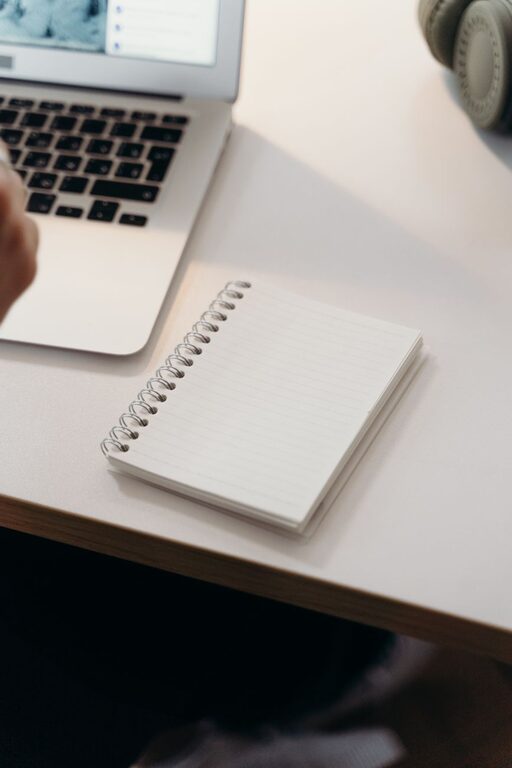
Choosing a notebook should be simple: find one with enough pages, pick a design you like, and start writing. In practice, many notebooks end up sitting on a shelf because they do not fit the way their owner thinks, writes, or works.
The best notebook is not necessarily the most attractive or expensive one. It is the one that feels easy to use and suits your everyday needs. Before buying, consider how you plan to use it, where you will carry it, and what features will make writing more comfortable.
Start With the Notebook’s Main Purpose
The first question is the most important: What do you want the notebook to do?
A notebook for quick notes has different requirements from one used for long-form writing, sketching, planning, or keeping a journal. Choosing based on purpose helps you avoid buying a notebook that looks appealing but does not support your habits.
Common uses include:
- Daily notes: Choose a portable notebook with enough room for reminders, ideas, and short lists.
- Planning: Consider a planner, dot grid notebook, or notebook with clear sections.
- Journaling: Look for comfortable paper, a binding that opens easily, and enough pages for regular entries.
- Work or study: Choose a larger format with clear lines, a durable cover, and space for detailed notes.
- Creative work: Pay close attention to paper weight and texture, especially if you use ink, pencils, or other drawing tools.
- Travel: Select a lightweight notebook that can handle being carried in a bag or pocket.
If you have several uses in mind, decide which one matters most. A notebook that tries to do everything may not be ideal for any single task.
Choose the Right Size
Size affects how often you use a notebook. A large notebook gives you more writing space, but it may be inconvenient to carry. A small notebook is easy to keep nearby, but its limited pages can make detailed notes difficult.
Think about where you will use it most often:
- A pocket notebook works well for quick thoughts, shopping lists, and short reminders.
- A medium notebook is flexible enough for work notes, journaling, and everyday planning.
- A large notebook is useful for meetings, classes, detailed writing, and diagrams.
Also consider the size of your workspace. If you usually write at a small desk, in a coffee shop, or while standing, a compact notebook may be easier to handle. If you have a dedicated desk, a larger format may be more comfortable.
A practical test is to measure the bag, desk drawer, or shelf where you expect to keep the notebook. The easier it is to reach, the more likely you are to use it.
Pick a Paper Layout That Matches Your Thinking
The page layout can influence how freely you write. Choose the format that supports your usual activities instead of selecting one based only on appearance.
Lined paper
Lined pages are a reliable choice for writing sentences, taking notes, and making lists. They help keep text organized and are especially useful if you prefer a traditional writing experience.
Blank paper
Blank pages provide maximum flexibility. They are suitable for sketches, diagrams, mind maps, and writing that does not follow a fixed structure. However, some people find them less helpful for keeping notes neat.
Dot grid paper
Dot grids offer subtle guidance without being as noticeable as lines. They work well for planning, bullet lists, charts, lettering, and simple drawings. They are a good option if you want one notebook for several activities.
Grid paper
Grid pages are useful for tables, calculations, calendars, diagrams, and structured notes. The stronger visual pattern may feel busy if you mainly write paragraphs.
Special sections
Some notebooks include page numbers, contents pages, monthly spreads, pockets, or perforated pages. These features can be useful, but only if they match your routine. Extra features should make the notebook easier to use, not create more work.
Pay Attention to Paper Quality
Paper quality affects both comfort and convenience. If the paper feels rough, causes ink to spread, or shows writing through the back of the page, you may avoid using the notebook.
Consider the tools you usually write with:
- Pencils: Most paper works well, but a slightly smoother surface may feel better.
- Ballpoint pens: Standard paper is often sufficient.
- Gel pens: Look for paper that dries ink reasonably quickly and resists smearing.
- Fountain pens and wet ink: Choose thicker, smoother paper designed to reduce bleeding and show-through.
- Markers: Test the paper if possible, since many markers can soak through lightweight pages.
If you are unsure, buy a small notebook from the same paper range before committing to a large one. Testing a few pages can prevent an expensive mistake.
Think About Binding and How the Notebook Opens
A notebook’s binding affects how comfortable it is to write in, especially near the middle and end of the book.
- Sewn binding: Often durable and capable of opening relatively flat.
- Spiral binding: Convenient for folding pages back and laying the notebook flat, though it can be bulky.
- Glue binding: Common and often affordable, but some notebooks do not open fully flat.
- Disc or ring binding: Allows pages to be moved or replaced, but may feel less compact.
If you write with your left hand, a large spiral or stiff binding may get in the way. If you take notes during meetings or classes, a notebook that lies flat can make writing faster and more comfortable.
Choose a Cover That Fits Your Routine
A cover protects the pages and influences how the notebook feels in daily use. Soft covers are usually lighter and more flexible, while hard covers offer more protection and a firm writing surface.
Choose a soft cover if you:
- Carry the notebook in a full bag
- Prefer a lightweight option
- Like to fold the cover back while writing
Choose a hard cover if you:
- Write in different locations
- Need extra protection for the pages
- Often use the notebook without a desk or table
A cover that looks good can encourage you to pick up the notebook, but durability matters too. If the cover becomes damaged quickly, you may stop carrying it.
Make It Easy to Find and Use
A notebook cannot help you if it is always out of reach. Decide where it will live and make that location consistent.
Keep a daily notebook:
- Beside your computer
- Near your keys or wallet
- On your desk or nightstand
- In the bag you use most often
You may also want practical features such as a pen loop, bookmark, elastic closure, or inside pocket. These are small additions, but they can remove common obstacles. A built-in pen loop, for example, means you are less likely to search for a pen before writing.
Do Not Buy More Notebook Than You Need
A common mistake is choosing a notebook with too many pages because it seems like better value. A thick notebook can be useful, but it may also become heavy and intimidating. If you write only occasionally, a smaller notebook may feel more inviting.
Consider how quickly you expect to fill it. If you want to carry one notebook for a year, choose a durable, higher-capacity option. If you enjoy starting fresh or use different notebooks for different projects, a thinner notebook may be better.
The goal is not to maximize page count. It is to create a notebook you will open regularly.
Use a Simple Decision Checklist
Before buying, ask yourself:
- What will I mainly use this notebook for?
- Where will I use it?
- Will I carry it every day?
- Do I prefer lined, blank, dot grid, or grid pages?
- Will my favorite pen work well on the paper?
- Does the notebook open comfortably?
- Is the size practical for my bag and workspace?
- Will the cover protect it without adding too much weight?
If you can answer these questions, you do not need to compare every notebook available. Narrow your choices to two or three options and select the one with the fewest barriers to regular use.
The Best Notebook Is the One You Reach For
A notebook becomes useful through regular use, not through perfect organization or an impressive design. The right choice should fit naturally into your routine, feel comfortable in your hand, and support the way you write.
Start with your purpose, then consider size, layout, paper, binding, cover, and portability. You do not need the most popular notebook or the most expensive one. You need a notebook that is easy to access and pleasant enough to use again tomorrow.