
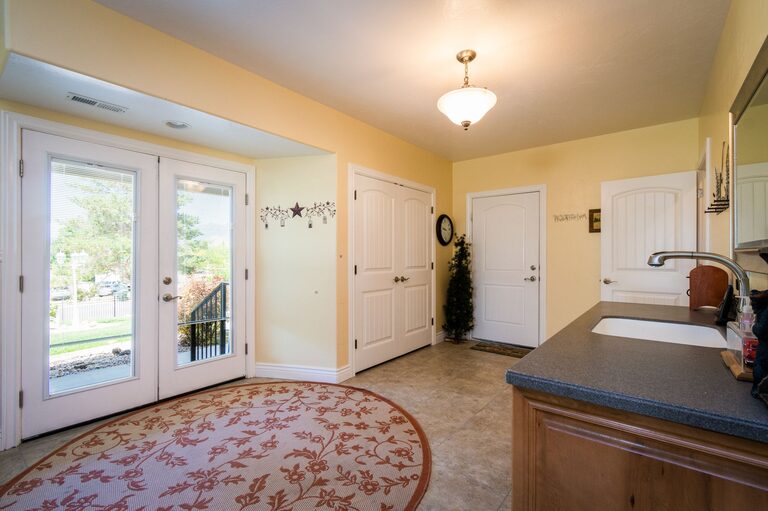
A family command center is a dedicated space where everyone can find important information, complete daily tasks, and keep household items organized. It does not need to be large or expensive. A small wall, countertop, or section of a kitchen can become a useful hub for calendars, keys, mail, school papers, and family reminders.
The best command center matches your household’s routines. Before buying supplies, think about what your family needs to manage every day and what currently causes clutter or confusion.
What Is a Family Command Center?
A family command center is a central location for managing household information and everyday essentials. It can include a family calendar, message board, file organizer, charging station, hooks, baskets, or a meal-planning area.
Its main purpose is to make frequently used items easy to find and important information easy to see. Instead of searching through drawers, counters, backpacks, or emails, family members can check one central space.
Common command center items include:
- Family calendar
- Weekly schedule
- To-do lists
- Mail and paper organizers
- Key hooks
- School and activity information
- Meal plans and grocery lists
- Charging station
- Small baskets for personal items
Choose the Right Location
The best location is somewhere your family naturally passes through each day. Popular choices include a kitchen wall, entryway, mudroom, laundry room, or a section near the garage.
Choose a spot that is visible, accessible, and large enough for the features you plan to include. If children will use the command center, place important items at a comfortable height. If the area is near an entry door, it can work well for keys, bags, shoes, and outgoing items.
Consider these questions before choosing a location:
- Where does your family enter and leave the home?
- Where do backpacks, mail, and keys usually collect?
- Is there enough wall or counter space?
- Will the area be easy to keep clear?
- Does the location have access to an electrical outlet?
Avoid placing the command center in an area that is already crowded or difficult to reach. A beautiful setup will not be useful if family members walk past it or cannot easily use it.
Decide What Your Family Needs
Every family command center will look different. Start with the problems you want to solve rather than copying a setup from someone else.
If schedules are difficult to track, prioritize a large calendar. If papers pile up, add labeled file holders. If mornings are rushed, include a checklist or launch pad for bags and daily essentials.
Make a short list of your household’s most common challenges. For example:
- Forgetting appointments or activities
- Losing keys or school papers
- Leaving items behind in the morning
- Not knowing what is planned for dinner
- Allowing mail to collect on the counter
Choose two or three features to start. You can add more later once you know what works.
Build the Essential Sections
Family Calendar
A calendar is often the main feature of a command center. Use a large monthly calendar for appointments, school events, practices, birthdays, and other important dates.
Color-coding can make the calendar easier to read. Assign one color to each family member or category, such as school, work, activities, and household tasks. Keep the system simple so everyone can understand it.
At the beginning of each week, review the calendar together. This helps the family prepare for transportation needs, special events, and schedule changes.
Paper Management
Paper can quickly take over a household. Add a small file organizer with clearly labeled sections, such as:
- To sort
- Action needed
- School
- Activities
- Coupons or references
- To file
Avoid creating too many categories. The goal is to make papers easy to process, not to build a complicated filing system.
Set a regular time to sort the contents. Recycle outdated papers, file important documents, and add deadlines to the calendar when needed.
Keys and Everyday Items
Hooks or a small tray can keep keys in one predictable location. You can add separate hooks for family members or label them by purpose.
Small baskets are useful for sunglasses, wallets, reusable shopping bags, and other items that are easy to misplace. If the command center is near the entryway, add a basket for items that need to leave the house.
For children, assign each person a labeled hook, basket, or cubby for backpacks and personal belongings. This makes it easier for them to take responsibility for their own items.
Meal Planning
A meal-planning section can help reduce last-minute decisions. Use a small weekly board, printed menu, or magnetic list to show the planned meals.
Place a grocery list nearby so family members can add items as they notice they are running low. You can divide the list into sections such as produce, pantry, refrigerated items, and household supplies.
Keep the plan flexible. It can include simple meal ideas rather than a detailed schedule if that better suits your household.
Charging Station
If devices regularly collect on kitchen counters, a charging station can keep cords and electronics organized. Use a cable box, drawer organizer, or designated shelf near an outlet.
Label charging spaces if multiple family members use the same area. Keep cords secured and avoid overloading outlets. The charging station should be placed away from water, heat, and areas where cables could become a tripping hazard.
Use Clear Labels and Simple Rules
Labels make a command center easier for everyone to use. Choose short, familiar words such as “Keys,” “Mail,” “School,” “To Do,” and “Take Along.”
Create a few basic household rules:
- Return keys to the hooks after coming home.
- Place important papers in the correct folder.
- Update the calendar as soon as plans change.
- Remove completed notes and outdated information.
- Keep personal items in assigned baskets or cubbies.
The system should be easy enough that family members can follow it without constant reminders.
Keep the Design Practical
A command center should support your routines, not create extra work. Use durable materials and storage that can handle daily use. A dry-erase calendar, washable baskets, and sturdy hooks are often more practical than delicate decorations.
You can still make the space attractive with a consistent color scheme, framed signs, or a small plant. However, avoid adding too many decorative pieces that reduce usable space or make cleaning difficult.
Use vertical space when possible. Wall-mounted organizers, pegboards, shelves, and magnetic boards can provide storage without taking over a counter or table.
Review and Improve the System
Plan to review your command center after two or three weeks. Notice which sections are being used and which items are being ignored.
Ask your family:
- What is easy to find?
- What still gets misplaced?
- Which information is no longer needed?
- Would a different label or location help?
Make small changes instead of replacing the entire system. You may discover that the calendar needs to move closer to the entryway, a basket needs a clearer label, or a paper holder is too small.
Set aside a few minutes once a week to reset the area. Clear old notes, sort papers, update the calendar, and return items to their proper places.
Final Tips for Success
Start small, keep the system visible, and focus on your family’s real routines. A command center does not need to include every possible organizing tool. It simply needs to help your household find information and manage everyday tasks.
Choose a convenient location, add only the essentials, and give each item a clear home. With regular use and occasional updates, your family command center can reduce clutter, support smoother mornings, and make household planning easier for everyone.